

What to expect when you’re expecting… to start graduate school in the fall!
As a non-engineering student at MIT (yes, we do exist!), I wasn’t sure what to expect when embarking on my Masters of City Planning degree last fall. I’ve always considered myself a bit of a nerd. I don’t like to procrastinate, and I’m quick to follow up with professors after class or in office hours. This is probably why my friends and family weren’t surprised when I told them I wanted to apply to graduate school and embark on another two years of homework, papers, and projects.
But is a masters program in the social sciences or humanities just an extended version of undergraduate studies? I knew I wouldn’t be in the laboratory for hours on end, as some of my engineering and science counterparts at MIT, but I was also hoping my masters studies would offer something fresh that I hadn’t experienced during my undergrad.
Looking back after the first year of my program, I can confirm that graduate studies have their own unique flavor and bundle of opportunities and challenges. That being said, please take my reflections as a sum of the personal experiences they represent. They won’t be applicable to all fields or programs, but I hope they can give incoming grad students a helpful roadmap of the academic expectations ahead and offer current grads a mirror to reflect on their own graduate experience.
Group Projects Galore
First and foremost, expect many, many group projects. All four of my courses in my first semester at MIT included a group project, ranging from group sizes of two to seven (!) students.
In my “Urban Energy Systems and Policy” course, for example, we were assigned a “hybrid” project as a team of seven students. Each team was given a city to focus on, with each person within the group writing an individual research paper about how that city could implement a transition to greener, more sustainable energy provision. We then wrapped our papers into one final, cohesive presentation describing a clean energy transition for the city as whole. Balancing the individual and shared components of this project was particularly challenging given the large group size. Communicating and organizing became almost as time consuming as the research itself!
Be prepared to structure your projects yourself– hashing out ideas, communicating expectations, and deciding research directions and presentation styles without strict guidelines or templates.
Serious, Structured Reading
Next, expect to read extensively. Although my undergrad degree in Global Studies involved a lot of academic reading, the weekly quantity of articles in my master’s program is much greater, as is the concentration required to understand their methods and conclusions. Theory classes assign reading that must be understood within a wider critical conversation, and familiarity with the main characters of certain disciplinary debates takes time to develop. It’s like watching a new TV show: while certain episodes can stand alone, the meaning and deeper storylines become apparent only when you’ve followed the characters through a whole season.
Most of the assigned readings in my masters program are 15 to 30 pages long, and most courses assign 2 to 4 readings per class session. While it might be possible to skim some and still participate in the class discussions, as with most things in life, you get out what you put in. With reading expectations high on every front, however, it is helpful to discern early in the semester where you can afford to skim or skip.
Faculty Interactions Reimagined
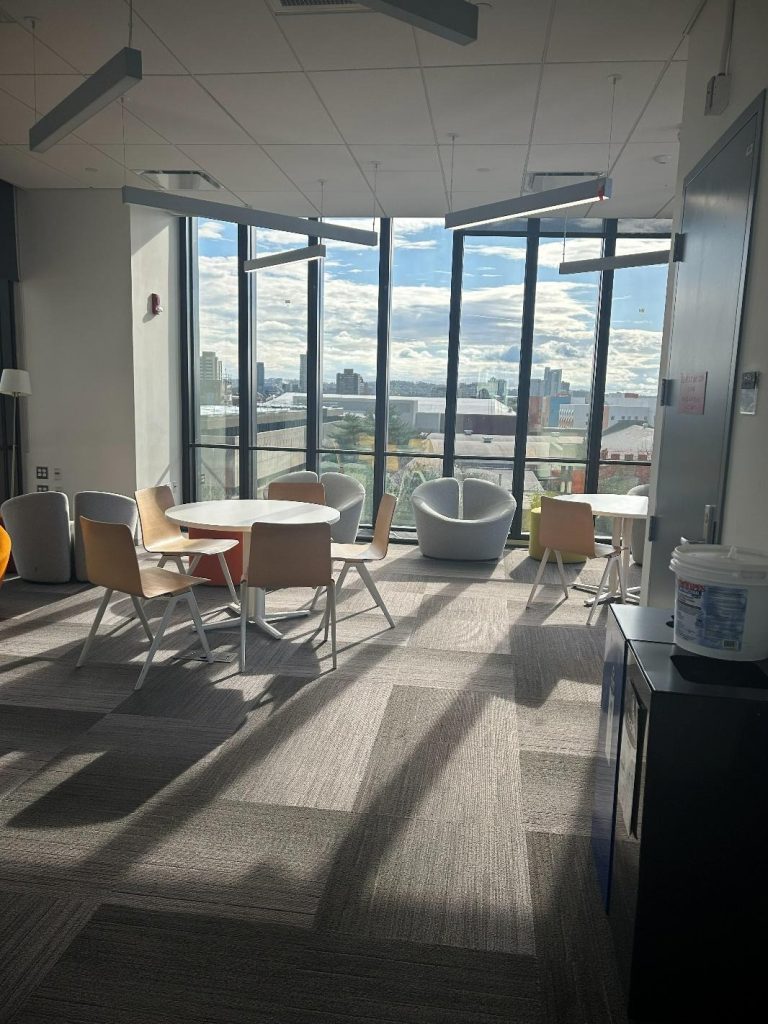
Relationships with faculty in graduate programs require flexibility. MIT is a premier research institute, and maintaining this reputation means faculty must be committed to leading and producing cutting edge research. This research may take a lot of time, and professors, as mere mortals, have the same 24 hours a day as each of us.
With administrative duties and committee meetings to balance alongside their families, research, health, and community commitments, they may not have much time to spend in casual conversations with students outside of class. Try to take advantage of their scheduled office hours, since nailing down a meeting outside of these windows may require multiple rounds of emails only to settle on a time far into the future.
In addition to formal conversations, I have also come to appreciate my conversations with faculty in the hallway as they walk from class to their next meeting. Staying flexible and setting reasonable expectations is important for avoiding frustration. Be gracious, but don’t let your questions or concerns pile up.
Your Cohort Counts
Finally, don’t underestimate the wealth of knowledge in your fellow students. In non-engineering graduate programs at MIT, many students have two, three, or even ten years of working experience. Professors welcome perspectives and critiques founded in life experiences. Fieldwork informs research, and good work results when the two remain connected in honest conversation. In urban planning, theories such as the “right to the city,” “transit-oriented development,” and “urban renewal” are always reconciled with the real life consequences of their implementation, no matter how well intentioned they may be.
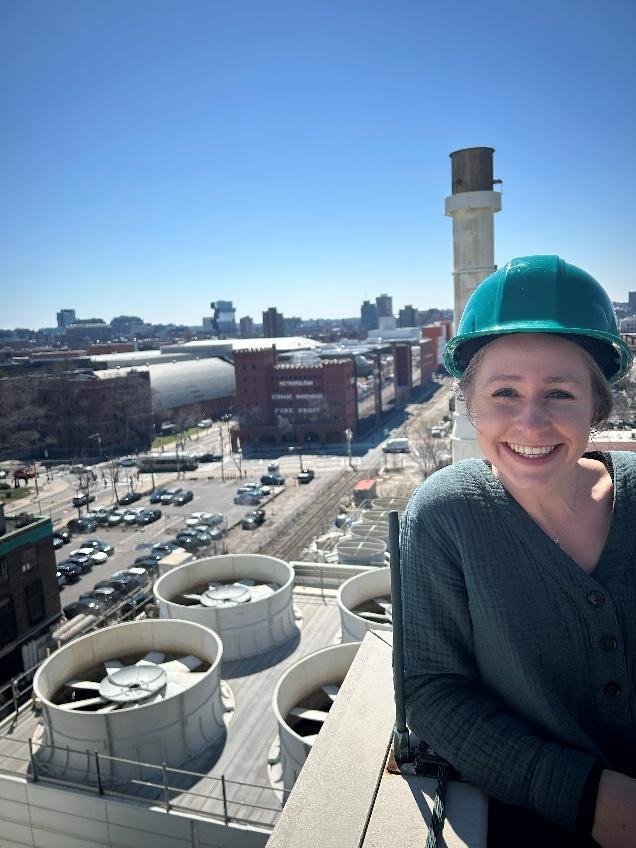
In my own program, I’ve learned a lot from classmates who have worked in city governments across the United States, Europe, and Latin America in municipalities with many different resources, norms, and challenges. They pinpoint weaknesses, bottlenecks, or inconsistencies in the theories we are studying that I would have otherwise missed.
Ultimately, graduate school is challenging, but there are many resources to help. Teaching assistants, PhD students, and post-docs are all great sources of information and eager to help both bachelors and masters students find their way. Don’t be shy— ask for class recommendations, the low-down on professors, and where to find data sources. If they don’t already have the answer, they’ll probably know who does!
Undergraduate studies offer the opportunity to ease into the waters of critical thinking and to learn how to contribute to meaningful research and discourse. Graduate school is the time to dive into the deep end and sink or swim. Just remember, beavers are great swimmers, so if you’re here, you definitely have what it takes!
Share this post:
