

Ice skating: The quintessential New England activity
My favorite film growing up was Mighty Ducks. Although the temperature in my hometown never dipped below fifty degrees Fahrenheit, I was drawn to the story and characters of this great 1990s Disney film. The plot goes something like this: a rich lawyer who grew up on the ice is forced to do community service and ends up as the coach of a peewee hockey team. The team has raw talent, but no discipline, cohesion, or finesse. By the end of the film, they rally into a lovable group of underdogs, and I loved watching them fly over the ice and bravely face opponents who had every reason to beat them.
Ten-year-old Esther never imagined herself diving into the world of ice skating, yet fifteen years later, here I am.
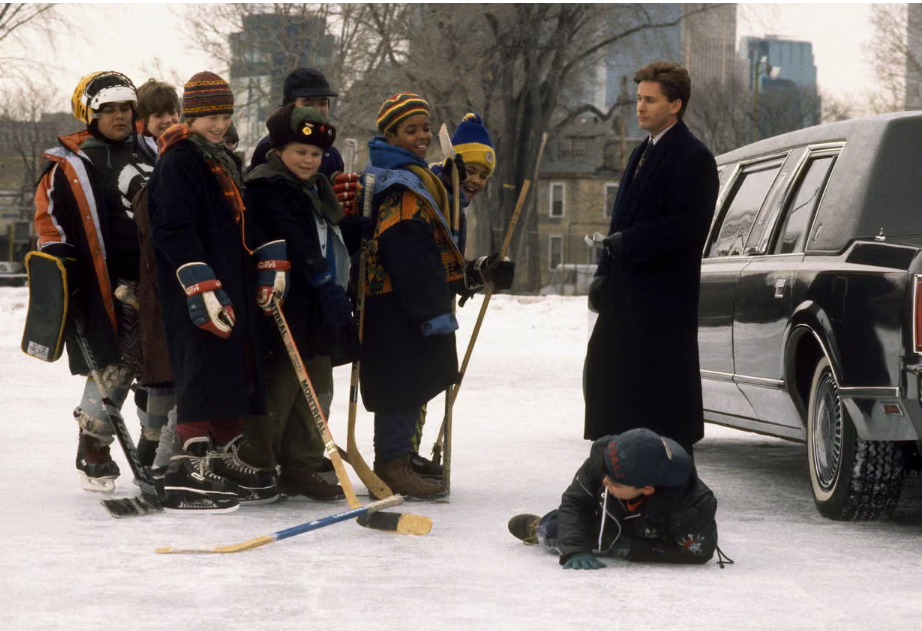
While my ice-skating experience thus far has not involved slamming into walls or pucks flying towards my face, my skating class over MIT’s Independent Activities Period, or IAP, did give me a taste for hockey speed and agility drills.
Beyond the competitive draw, ice-skating in New England also feels right. While the seemingly eternal winter reigns from October to May, it is a life-saver to have a hobby which embraces the cold and does not have to be put on hold until the much longed-for spring thawing.
Ice skating is not a life skill that we all have the opportunity to learn as children, but it is a very achievable goal for adults who want to challenge themselves and expand their social horizons without having to invest a lot of money or time into a new pastime.
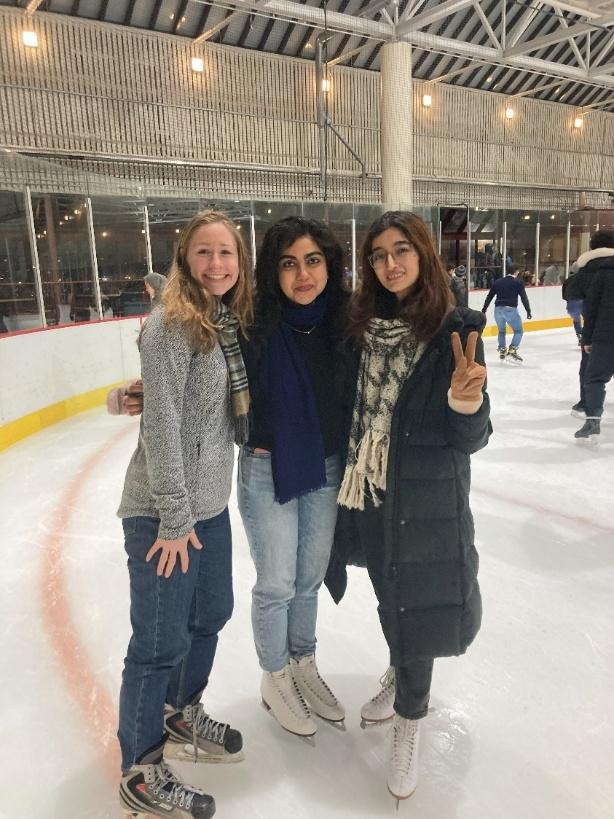
Imagine: It’s December in Boston, and your friends invite you to come ice skating at one of Boston’s public skating rinks – free entry and $5 skate rental. There’s no financial barrier to accepting, but perhaps you imagine yourself clinging to the wall for 45 minutes, scared for your life or flat on your backside, embarrassed that your feet won’t stay under you. If that’s the case, you might say, “No, thank you,” and suggest a nice hot chocolate at a café instead.
While there is nothing wrong with hot chocolate, I knew I wanted a different reality for myself – namely, one in which I could confidently accept any invitation, knowing I could hold a conversation and comfortably weave in and out of fellow skaters in a crowded rink.
Thus, for my first winter in Cambridge, I sought out an opportunity on campus to improve my skating abilities. The January IAP term at MIT holds nearly endless possibilities—research, internships, and well-earned vacation being just a few.
I did not have a full-time internship or intensive course lined up, so I opted to string together a number of different activities. While it can be difficult to resist the urge to pursue a highly productive or lucrative endeavor over IAP, I reminded myself that not everything I do during my time at MIT needs to make it on my resume.
My IAP ice skating course required a very reasonable time commitment: hour-long sessions twice a week over the course of the month. The class cost $20, which covered access to the MIT ice rink and skate rental.
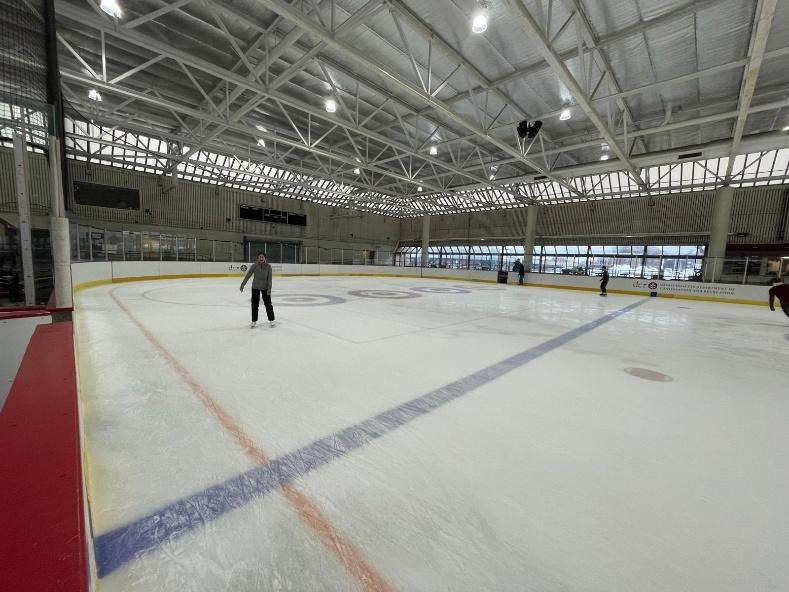
During the class, we practiced skating forwards and backwards, and I enjoyed the drills with tight turns, straight runs to build up speed, and hockey stops and starts. Our coach was a recruiter for an NHL team and had played hockey his whole life, so he was full of fun ideas to develop our skills. We even played a form of limbo on skates!
As a naturally competitive person, I wanted to push myself to go as fast as I could while staying in control, but there was no pressure to take dangerous risks or compare myself to others. In fact, our coach very clearly put the emphasis on effort and repetition, encouraging us to burn more calories each class. Since we always skated for around 60 minutes, more calories spent was proof that our speed and comfort skating were improving.
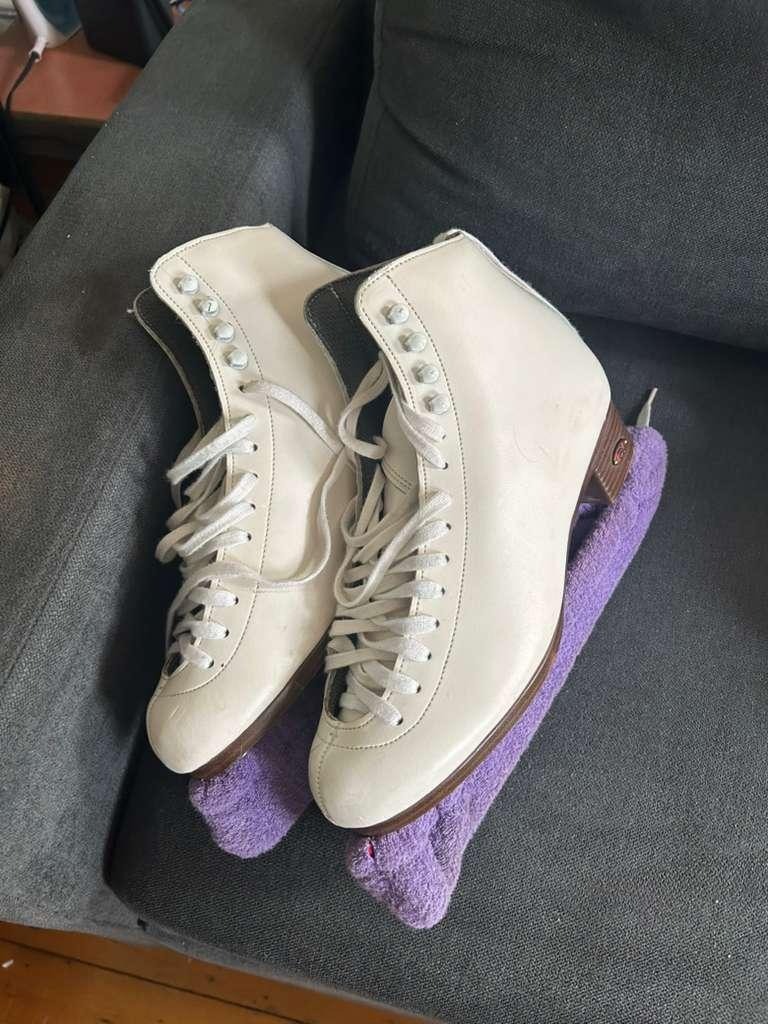
I only fell once, on the last day of class, when switching from skating forwards to backwards a little too quickly. It was a bit awkward, but not painful. Even in our intermediate group, people fell during each session, and no one really noticed except for the person falling. We all were required to wear helmets, too.
At the end of our month of classes, our coach encouraged us all to try ice hockey, which is now at the top of my bucket list for my next year at MIT. This could be my closest chance to experience the Mighty Ducks first-hand!
The January IAP term offers so many niche opportunities and activities, from pottery to glass blowing to ice skating. The challenge for graduate students is to make the time amidst “productive” endeavors to give these hobbies a try. I hope to look back on my experience at MIT in another ten years, thankful that I took the time during my busy Master’s program to fully experience life in New England.
Share this post:
