
MIT graduate students, faculty, and staff are celebrated for ‘Leading with Care’
Zoe Wright
In the STEM fields, excellence is often measured in scientific breakthroughs and discoveries. This April, members of the Institute’s graduate community gathered to focus on something just as critical: the human connection driving those successes.
The inaugural Leading with Care reception, hosted by Vice Chancellor David Darmofal, brought students, faculty, and staff from across the institute together for an evening recognizing the varied ways in which the MIT community works together to shape a more connected and sustainable graduate experience. The focus of the reception spanned three categories: Committed to Caring faculty, Graduate Students of Excellence, and Enduring Impact staff.
Comprising faculty, staff, and students from all five of MIT’s schools and the college, honorees spanned the Institute and were united by a shared commitment to fostering a more welcoming and supportive graduate community. Collectively, their contributions illustrate a broader understanding of excellence, one that extends beyond academic achievement to include mentorship, leadership, and sustained service to others.
The evening featured remarks from Vice Chancellor Darmofal; Taylor Baum, PhD ‘26; Senior Associate Dean Denzil Streete; and Maria Yang, Vice Provost for Faculty. Leading with Care was organized through a collaboration between the Office of Graduate Education (OGE), Career Advising and Professional Development (CAPD), and the MIT Division of Graduate and Undergraduate Education (GUE).
Stellar faculty mentorship
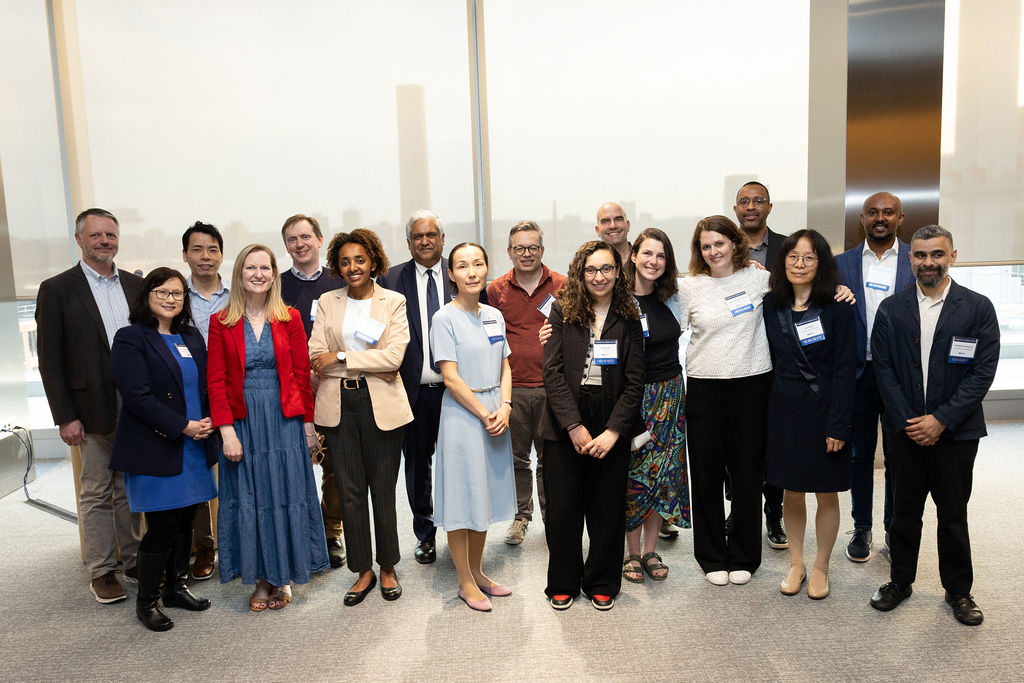
Committed to Caring (C2C) faculty are those who go above and beyond to support graduate students as multifaceted people, rather than simply researchers or scholars. These are advisors who are not only invested in experimental outcomes, but who go further for their students; encouraging balance, actively fostering healthy and supportive research environments, and making space for their students to grow not only professionally, but personally as well.
Stories shared at the reception illustrated the manner in which this more holistic style of mentorship shapes the trajectories of both individuals and broader departmental cultures. The room was lit up with personal wins: the professor who reached out to a student in the wake of familial loss, the faculty member who baked a cake to celebrate the end of qualifying exams, and the PI who welcomed visiting students into their lab when they needed a place to finalize experiments.
The cumulative effect of these gestures is a rising tide that lifts all boats. Thoughtful mentorship can influence how students approach collaboration, how they support peers, and how they, in turn, lead future teams.
In the big and small moments, “mentorship is the fabric that holds the Institute together,” Yang reflected to those gathered. “Our students are the future of academia and industry– and mentorship is how we pass our values on.”
Student leadership and community impact
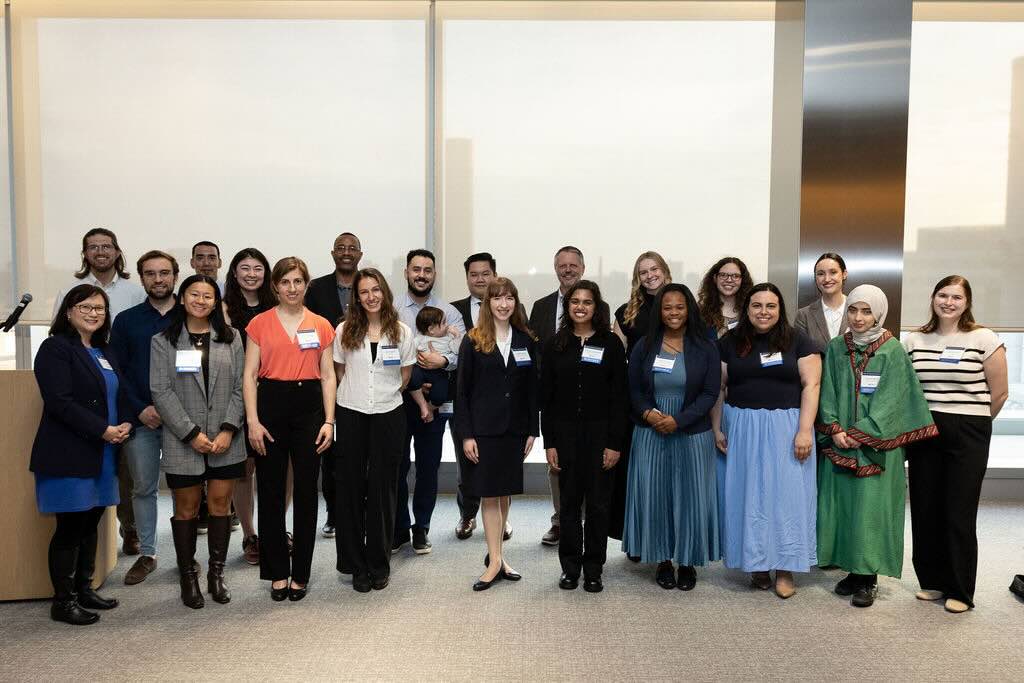
The Graduate Students of Excellence (GSE) program highlights another dimension of MIT’s graduate community: the students who devote their time and energy to strengthening not only themselves, but their peers as well.
These students have contributed in many ways both in and outside of their research spaces and classrooms; building community through advocacy, programming, and collaboration. While their work often happens behind the scenes, the GSE recognition brings their contributions front and center, reinforcing how essential graduate students are to the fabric of MIT.
Congratulating the 21 honorees, Darmafol noted that these are students leading “through quiet consistency and genuine kindness, without ever expecting anything in return.”
Other speakers echoed this sentiment throughout the reception, emphasizing that this type of leadership requires purpose. It necessitates the choice to engage, even amid demanding schedules, and the prioritization of collective well-being in addition to personal achievement.
“It takes a truly intentional person to be in this environment,” mused Baum in her remarks, “to move through their own challenges and struggles… and still take an authentic interest in the success and happiness of others.”
A former student honoree and a graduating doctoral candidate, Baum successfully defended just days following the reception. Reflecting on the intensity of graduate life, she noted how easy it is to become consumed by competition. What distinguishes these honorees, in her eyes, is their deliberate commitment to others. Speaking directly to the 2026 Graduate Students of Excellence, Baum praised: “[You] take some of the little energy you have to open up space for another who may need it.”
Sustained contributions of graduate staff
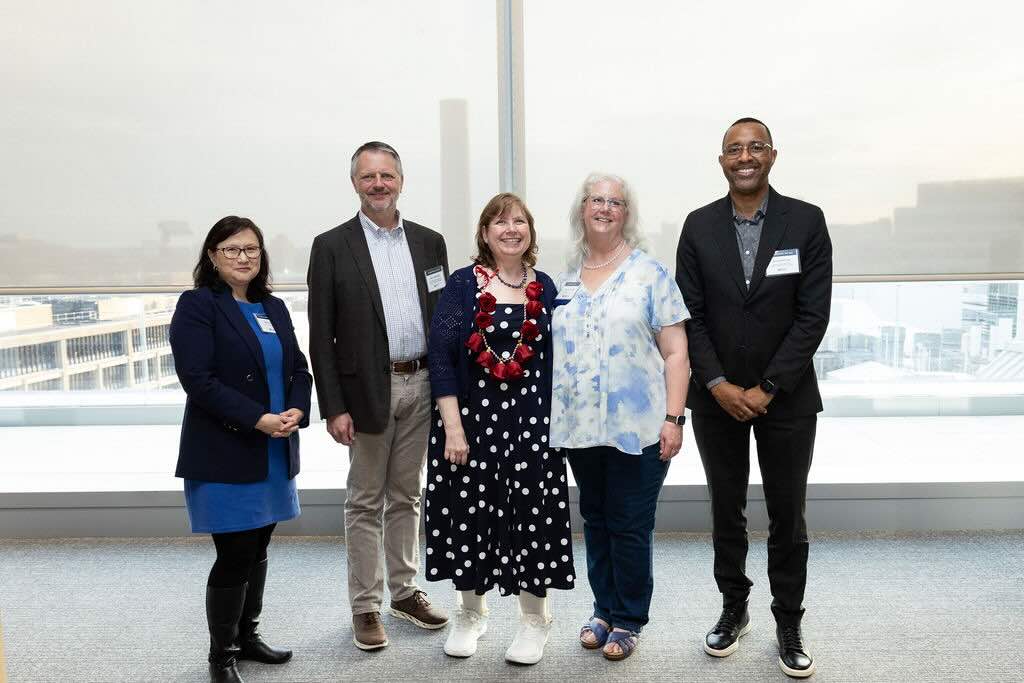
The Enduring Impact honor rounded out the evening, recognizing staff and administrators whose work has had a sustained and meaningful effect on the graduate community. These staff members maintain programs, create support systems, and consistently ensure that students have the tools necessary to succeed. Their influence spans years, shaping the experiences of countless graduate students along the way.
Streete recognized the two honored graduate administrators, noting their extensive record of leadership, care, and behind-the-scenes contributions that has strengthened their departments, and the graduate community as a whole.
Long-term, meaningful change often requires a willingness to step up where needed– a characteristic embodied by the Enduring Impact honorees. During their time at the Institute, these staff have served as “the glue, the scotch tape, and even the twine that have kept their graduate programs together,” reflected Streete.
From managing admissions processes to supporting the day-to-day needs of the students in their departments, graduate administrative staff truly have a hand “in every milestone in the journey of successfully crossing the finish line at MIT.” Through this consistent support, these honorees are creating a legacy that continues to benefit graduate education well beyond their immediate work.
A museum of lived experience
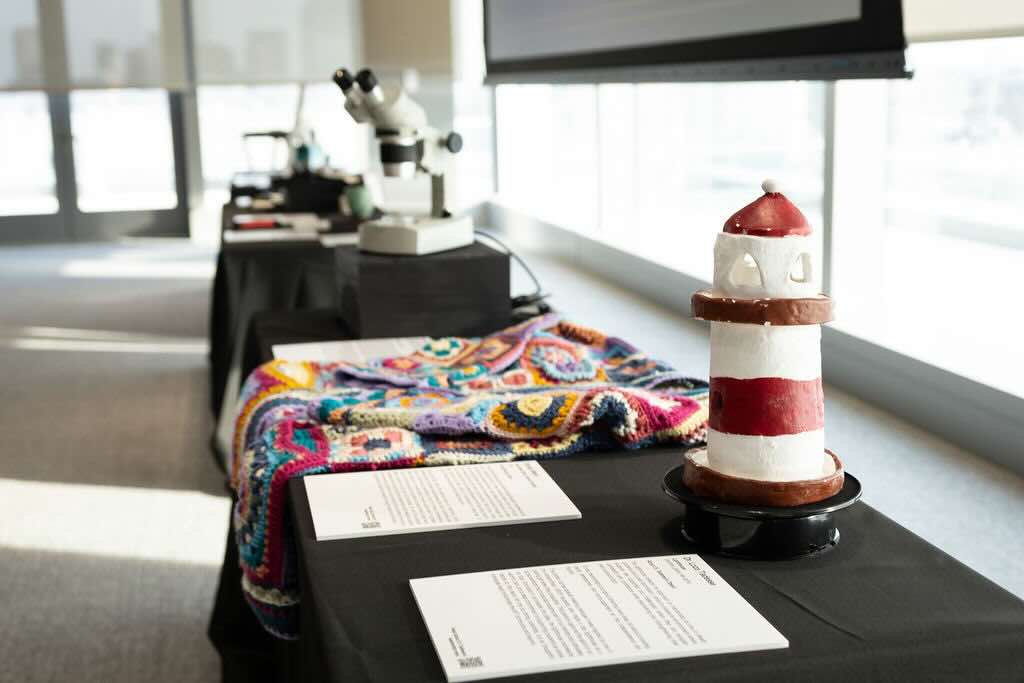
In one of the evening’s most distinctive elements, honorees represented themselves through personal objects, replacing traditional biographies or posters.
These objects– ranging from an ordinary tissue box to a fully functioning robot– served to represent the varied ways in which honorees connected with the MIT community. Arranged with flair against a black background of still or rotating stands, these items transformed the space into a kind of curated exhibit of graduate community life. Museum-style placards accompanied each item, contextualizing seemingly random artifacts within a larger framework of student, faculty, and staff experiences.
Walking through the display, guests were able to understand the impacts of leadership through tangible items and descriptions that reflected the values and lived experience of honorees. What emerged was a layered portrait of the honorees, one that celebrated not only academic achievements, but aspects of identity and touchpoints with the community.
This emphasis on the “whole person” was echoed throughout all of the evening’s remarks. Speakers highlighted the importance of care in all aspects of academic life, from peer mentorship to broader institutional support systems.
Baum reinforced this message in closing, encouraging honorees to nurture themselves the same way they attend to others. “Your nature to put others ahead of yourself is so important and so beneficial to the world,” she said. “And your impact can be that much more if you are healthy and have taken care of yourself first.”
As the reception concluded, the event left attendees with a clear message: excellence at MIT is not only defined by innovation and discovery, but by the relationships and care that make those achievements possible. Through the recognition of faculty, students, and staff, Leading with Care affirmed that a strong academic community depends on how individuals support one another.
