

Solomon Mubashir
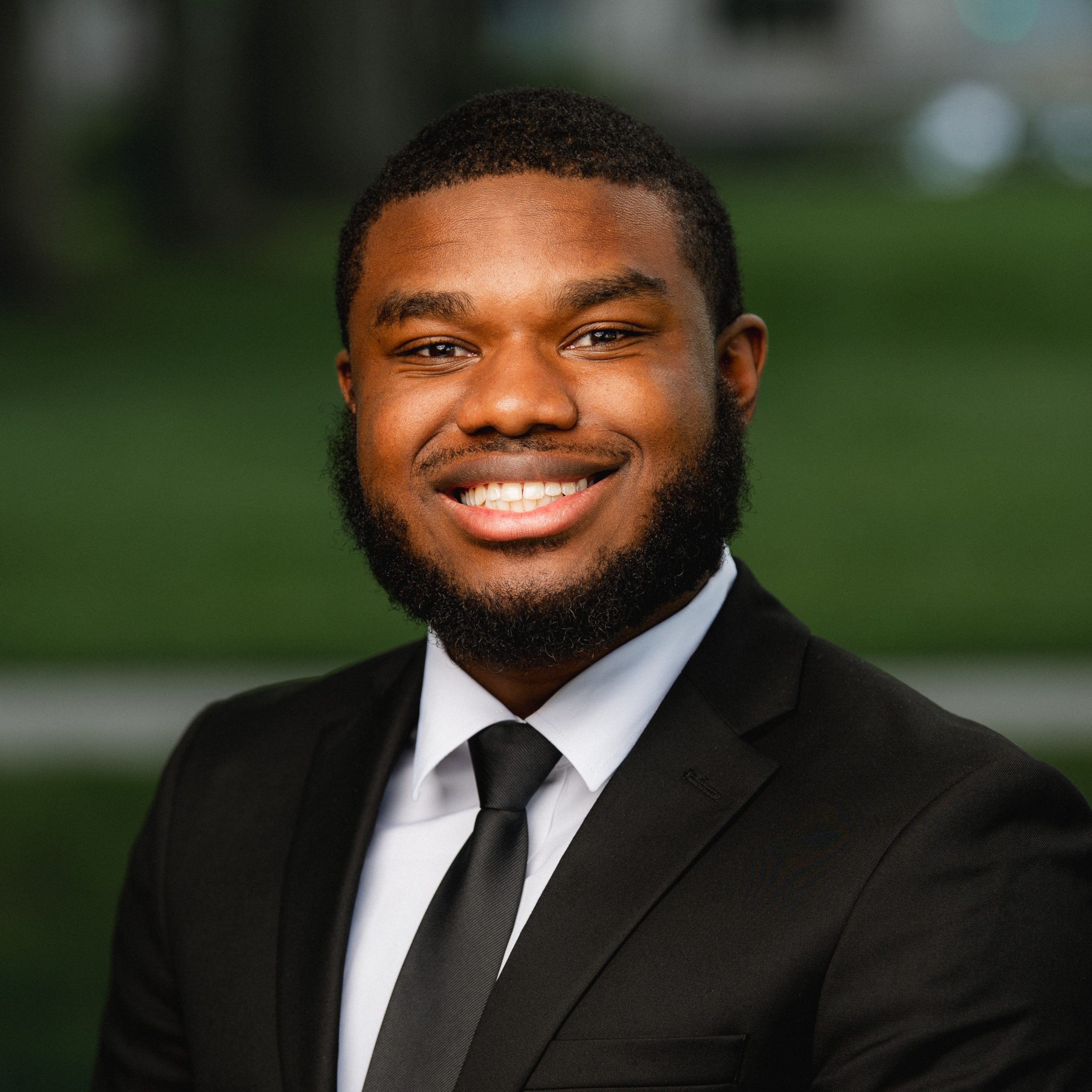
MIT Department: Physics
Faculty Mentor: Prof. Leonid Mirny
Research Supervisor: Edward Banigan, Emily Navarrete
Undergraduate Institution: North Caroline Central University
Website:
Biography
Solomon Mubashir is a rising senior attending North Carolina Central University majoring in Sports Medicine and pursuing a career in Physical Therapy. Solomon’s interests were sparked by a lifelong participation in sports, his interactions with athletic trainers, and exposure to injuries. He believes that everyone should be able to make the most of their bodies while they can, and individuals who are able to, need to take care of their bodies. Solomon’s goals involve working in a clinic that tailors to the general public and someday opening his very own practice. His past experiences include working in a general clinic with physical therapists and athletes in strength & conditioning, in addition to serving as an athletic training assistant for the volleyball and tennis teams at his school. From these experiences, Solomon has learned information from a variety of different fields and areas which he uses to engage with a diverse population of people. Solomon is open to new areas, and is eager to learn from people with a multifaceted background. His hobbies include playing soccer, working out- which has given him the strength to mirror workouts- and reading.
Abstract
Duration of Microcompartment Contracts
Solomon Mubashir1, Edward Banigan2, Leonid Mirny3
1Department of Kinesiology, North Carolina Central University
2Department of Phyics, Massachusetts Institute of Technology
3Department of Biology, Massachusetts Institute of Technology
Microcompartments are small 3-D regions in the genome where specific genes and elements cluster. Microcompartments and microcompartment contacts can be looked at to gain information about Alzheimer’s and cancer. The problem is most studies in current times are looking at how frequent and where these contacts take place, and not how long, or the duration of these contacts. My research will attempt to put more information into the field, and create more study samples for durations. In order to get this information I have to write an analysis code for a simulation, and input different numbers into the life parameter to see how long these contacts would stay in close proximity during the cell cycle. The parameters range from 25 and under being very short, and 10,000 being very long while the simulator will run 2-3 times for honing in data. Hi-C and RCMC data are computational simulations that can be used to achieve this knowledge. The simulation. So far my data indicates that the longer the life parameter, the longer the contact durations and of course vice versa. It has the potential to help millions with more information on Alzheimer’s and cancer.
